- Email:info@tsv-valve.com
TSV supplies industrial valves and actuator packages for power projects. Our work covers coal-fired power plants, combined-cycle gas plants, and combined heat and power projects, with each valve selected from the medium state, design temperature, design pressure, operating pressure drop, normal and maximum flow, cycle rate, and control needs.
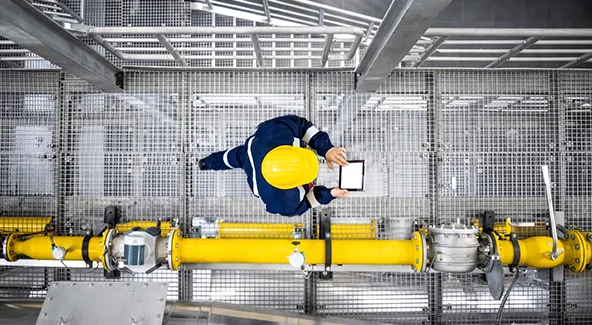
Power plant valves face severe service. High heat, high pressure, wide pressure drops, and frequent load changes can strain the valve and shorten the working life of key parts. Poor flow paths waste energy. A bore that is too small or badly shaped adds pressure loss and makes pumps and fans use more power during normal operation. Fast throttling can damage equipment. When steam, gas, or liquid crosses a wide pressure drop, noise, vibration, cavitation, and fast flow may wear the valve trim and downstream pipe. Sudden valve action can cause water hammer. A pump trip, slow check valve, or fast valve stroke can create pressure surges, while an oversized control valve, weak actuator, or positioner dead band can make flow and pressure swing in boiler feedwater, steam, fuel, and cooling systems. TSV checks each duty carefully. It uses the medium state, temperature, pressure, pressure drop, flow range, and cycle rate to choose the valve type, size, trim, and actuator, then adds low-noise, anti-cavitation, staged pressure-reduction, and non-slam closing designs when needed. This cuts energy loss, control error, damage, and downtime.
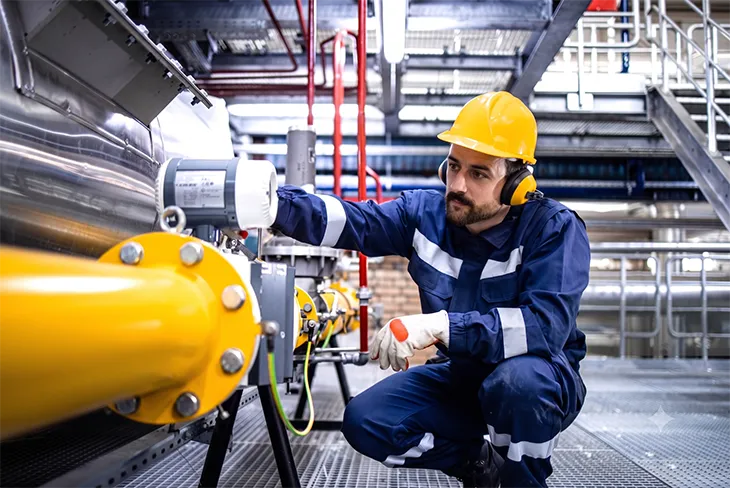
Based on the project country, valve type, and technical agreement, TSV can design, build, and inspect each valve to API, ASME, and EN standards required for the job.
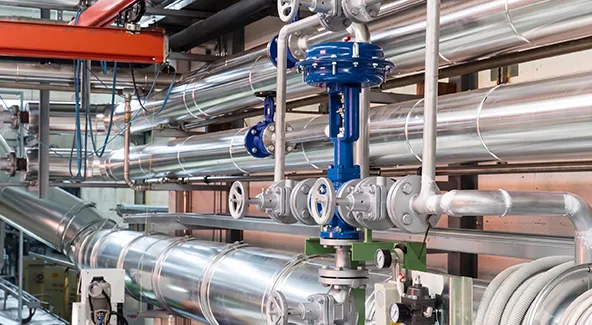
TSV supplies matched valve and actuator packages. For each service, we choose pneumatic or electric actuators to support fast shutoff, smooth movement, and steady flow control under the plant's real operating conditions.
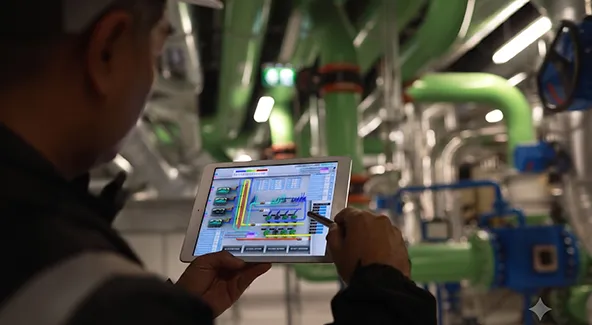
Support continues after delivery. We plan maintenance from actual service, cycle count, and equipment priority, then supply common wear parts and key spares so shutdown work can be scheduled before stock runs low. This cuts urgent orders and spare-parts delays. If problems appear during installation, startup, or operation, our technical team provides remote guidance or on-site service to help restore the system faster and reduce unplanned downtime.

E-mail: info@tsv-valve.com

Telephone: +86-13695850057

Whatsapp: +86-13695850057

Address: TianSheng Industrial Park,Dong'ou Industrial Zone,Oubei Town,Wenzhou City,Zhejiang Province,China

