- Email:info@tsv-valve.com


 Nov 24,2026
In a soft sealing rotary valve, the elastomer sleeve sits between the rotating plug and the body, and a sharp metal edge wrapped around the opening holds that sleeve in place and wipes it clean each time the plug turns. That edge keeps the soft seat from shifting under pressure and from accumulating sticky or scaling material, which preserves the sealing face through repeated on-off cycles. Plug Valves built on this sleeve type arrangement pair that 360-degree edge with a PTFE or EPDM sleeve, and the sealing features, operating principle, and configuration options are set out below.
The sealing is realized by the sealing face of the sleeve, and the valve carries a particular 360-degree metal edge that protects and fixes the sleeve in the valve body. The edge runs around the full circumference of the seat opening, so the elastomer cannot lift, twist, or migrate as the plug rotates and line pressure acts on the seal. Keeping the sleeve located preserves a consistent contact between the plug and the soft seat across the valve's service cycles.
The metal edge provides a self-cleaning function when the plug is rotated, which makes the design applicable to operation conditions that are glutinous and easy to scale. As the quarter-turn movement carries the plug past the edge, material that built up on the sealing zone is wiped away rather than left against the soft sleeve. This reduces sticky deposits and crystallized scale that could otherwise bind the plug or weaken the seal over time.
The soft sealing sleeve is typically made from an elastomeric material such as PTFE (polytetrafluoroethylene) or EPDM (ethylene propylene diene monomer). The sleeve surrounds the plug, providing excellent sealing performance along with resistance to corrosion and wear. The elastomer choice follows the medium, temperature, and chemical compatibility of the line, and the sleeve material can be matched to the actual operation condition when the valve is configured.
A plug valve is a quarter-turn rotary valve that controls fluid flow in pipelines. It consists of a cylindrical or conical plug with a through port that rotates within the valve body to either allow or block the flow. The characteristic double-direction flow of this design makes installation and use more convenient, since the valve does not depend on a fixed inlet and outlet orientation on the line. One short turn moves the port from aligned with the bore to blocked against the seat, and the sleeve kept by the metal edge keeps the contact sealed through each rotation.
The soft sleeve delivers a tight seal where leakage around the plug would otherwise be a concern, and the elastomer's corrosion and wear resistance support service in wet or chemically exposed piping. The reliable sealing and reasonable structure target lines where the valve must close fully each cycle, whether the medium is treated water, a processed chemical, or a food-grade fluid. The valve's appearance and body layout are finished to suit industrial and commercial piping installations.
The self-cleaning metal edge is the key feature for glutinous, easy-to-scale service, where sticky or crystallizing material tends to deposit on seat surfaces. By wiping the sealing zone during rotation, the edge reduces buildup that could otherwise bind the plug or weaken the seal over repeated cycles. This makes the sleeve type arrangement worth considering for slurries and viscous fluids, in addition to cleaner liquid and gas lines.
The valve body has no cavity for accumulation of medium, so fluid does not sit in a dead space behind the seat between cycles. That layout reduces stagnation points that could trap product or encourage buildup, and it supports clean service in food and beverage and water treatment lines. The materials of the parts and the sizes of the flanges can be reasonably configured according to the actual operation condition and the customer's requirements, so the valve can be matched to the pipeline pressure, bore, and end connection rather than supplied on a one-size basis.
The table groups the product type, sleeve material, metal edge, flow direction, internal layout, media, industries, and configuration options exactly as listed, so a buyer can match the valve to the line before an enquiry.
| Item | Detail |
|---|---|
| Product | Sleeve type soft sealing plug valve |
| Valve type | Quarter-turn rotary plug valve |
| Sealing sleeve | PTFE or EPDM elastomer, surrounds the plug |
| Metal edge | 360° edge protects, fixes, and self-cleans the sleeve |
| Flow direction | Double-direction flow |
| Internal cavity | No cavity for medium accumulation |
| Typical media | Liquids, gases, slurries |
| Typical industries | Water treatment, chemical processing, food and beverage |
| Configuration | Body materials and flange sizes configurable to project conditions |
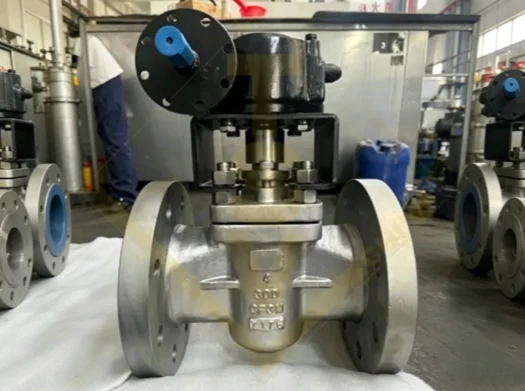
The plug valve catalog includes DBB (double block and bleed) plug valves, sleeve type soft sealing plug valves, flange connection lifting plug valves, ANSI inverted pressure balance lubricated plug valves, and carbon steel plug valves, available in manual and actuated operation. Most products can be tailor-made to specific constraints, and additional actuating services are offered where the line needs automated control. The sleeve type model in this article sits alongside those variants rather than replacing the lubricated or balance designs used in heavier duty service.
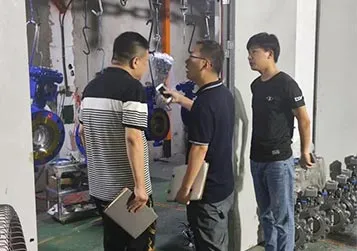
The factory runs an in-house inspection and testing setup covering chemical element analysis, mechanical testing, non-destructive testing including ultrasonic, magnetic particle, dye-penetration, and radiographic testing, and positive material identification (PMI). Special performance testing includes high-pressure air testing, cryogenic testing, high-temperature testing, and fugitive emission testing. The quality flow moves through raw material inspection, quality control, assembling inspection, and final inspection, with dimension, wall thickness, visual, and identification checks along the way, and valves leave in sea-worthy packing for export shipment.
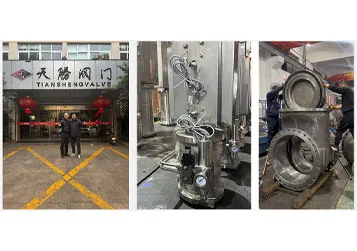
TSV, Tiansheng Valve, supplies the Sleeve Type Soft Sealing Plug Valve as part of its industrial valve range, alongside gate, check, globe, floating and trunnion ball, offset and concentric butterfly valves, and strainers covered under its API6D program. The factory is API and CE certified, works to an ISO 9001 quality assurance system, and supplies major national players including SINOPEC, CNPC, CNEEC, and Occidental of Oman Inc (OXY), with tailor-made products matched to specific project constraints.
Send these so the sleeve, body, and end connection can be matched on the first pass:
A Plug Valves order is settled by the medium and size first, so those two details narrow the body and sleeve selection before materials, ends, and actuation are worked out.
Put the process medium, the nominal size and rating, and the preferred sleeve elastomer in the first note. Those three decide the valve configuration; body grade, flange standard, and actuation follow after.
Send them through our request a quotation form and we'll come back with a Plug Valves sleeve type arrangement matched to your medium, line size, and service conditions.
Previous: NULL
Related News


E-mail: info@tsv-valve.com

Telephone: +86-13695850057

Whatsapp: +86-13695850057

Address: TianSheng Industrial Park,Dong'ou Industrial Zone,Oubei Town,Wenzhou City,Zhejiang Province,China