


 Request a Quote
Product Details
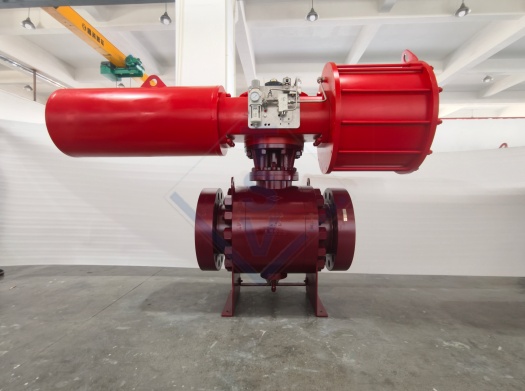
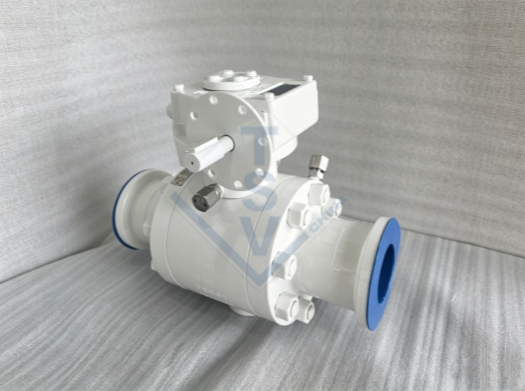
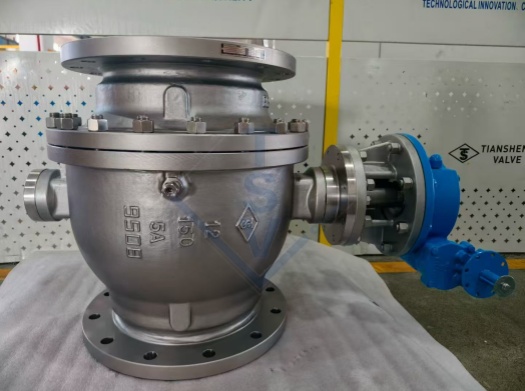
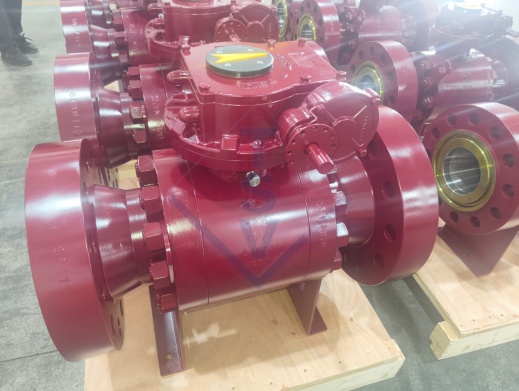
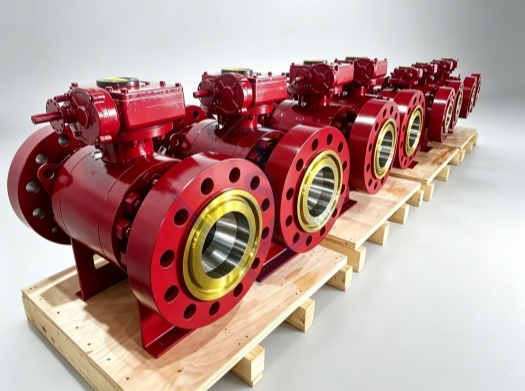
The DIB-1 configuration, as defined by API 6D. This ensures that each seat provides a seal against pressure from a single source, and both seats must be compromised before downstream leakage occurs . This design is particularly suited for high-risk applications where zero tolerance for leakage is required, such as gas transmission, sour service, and critical process isolation.
DIB-1 Functionality (Double Isolation & Bleed)
As defined in API 6D, a DIB-1 valve is a single valve with two seating surfaces, where each seat provides a seal against pressure from a single source, with a means of venting/bleeding the cavity between the seating surfaces .
In the DIB-1 configuration. This means:
-
Upstream seat: Seals against upstream pressure; if upstream pressure leaks into the cavity, cavity pressure exerts thrust on the downstream seat, forcing it more tightly against the ball .
-
Downstream seat: Seals against downstream pressure; provides a redundant barrier if the upstream seat fails .
-
Key distinction from DBB: In a DBB valve, if one seat leaks, the other seat does not provide backup sealing in the same direction . In a DIB-1 valve, both seats seal in the same direction, providing double isolation .
-
Cavity relief: Because DIB-1 seats do not self-relieve (unlike self-relieving seats in DBB configurations), over-pressurization of the cavity must be managed via an external relief valve or other approved method .
Typical Applications
-
Oil & Gas Pipelines: High-pressure transmission and distribution
-
Gas Compression Stations: Isolation and venting for compressor units
-
Refineries & Petrochemical Plants: Critical process isolation, where zero leakage is mandatory
-
High-Temperature Applications: PEEK seats provide excellent thermal stability
-
Critical Safety Appl



