

 Request a Quote
Product Details
Core Technical Specifications
| Parameter | Specification & Analysis |
|---|---|
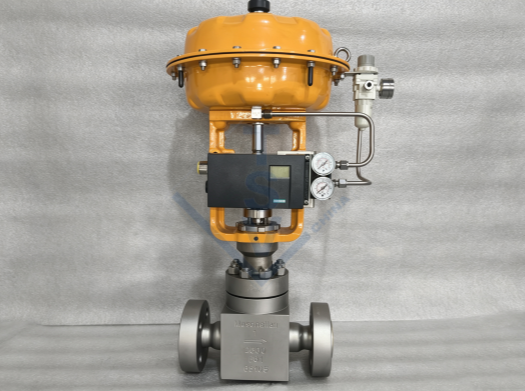
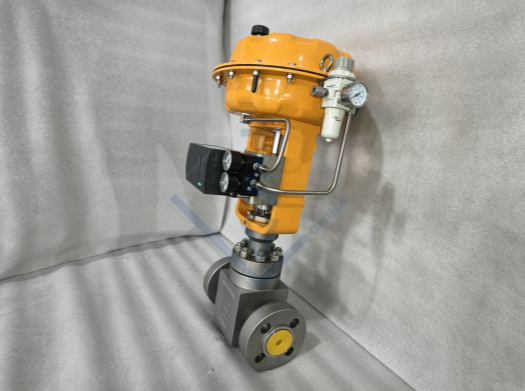
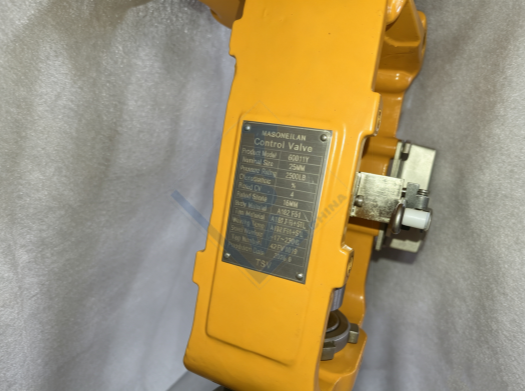
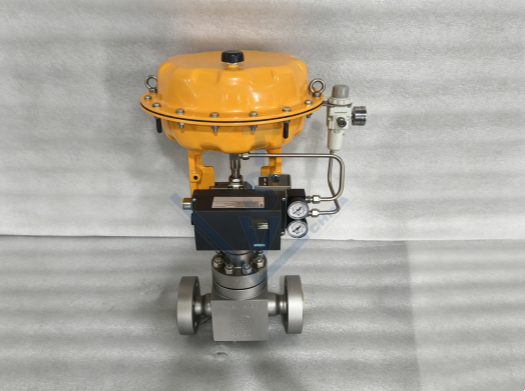
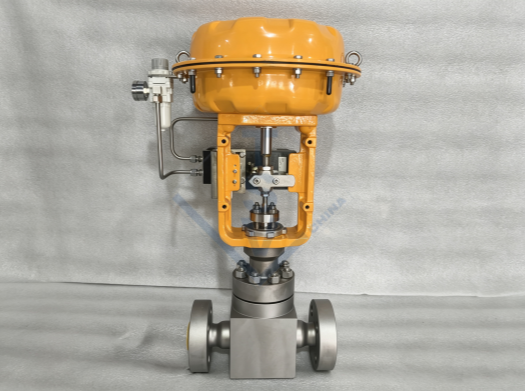
| Valve Type | Control Valve – Used for precise regulation of flow, pressure, or temperature in automated systems, not just for on/off isolation. |
| Nominal Size | NPS 1 (DN 25) – A compact size suitable for moderate flow applications. |
| Pressure Rating | Class 2500 – The highest standard pressure class (ASME B16.34). Test pressure is 1.5 x rated pressure, suitable for extreme high-pressure services. |
| Material (Body & Trim) | ASTM A182 F51 (Duplex Stainless Steel / 2205) – The key to its high performance. F51 offers approximately double the strength of standard 316 stainless steel and exceptional resistance to chloride pitting and sulfide stress corrosion cracking (SSC), making it ideal for oil, gas, and chemical applications. |
| Connection | RF (Raised Face) Flanged – The most common flange type, ensuring a reliable seal with standard gaskets. |
| Actuator | Motor Actuator (Electric) – The “Motor” designation refers to an electric actuator, which is convenient for remote control. However, a key consideration is that standard electric actuators cannot provide a spring-return fail-safe position (like Fail-Open or Fail-Close) upon power loss unless a backup battery system is installed. |
Engineering & Application Focus
1. F51 Material Advantages
The use of F51 Duplex Stainless Steel is the defining feature of this valve. It is specifically chosen for its superior strength (helping to withstand the massive forces of Class 2500 pressure) and its excellent corrosion resistance against chlorides, making it a preferred material for pumps, valves, and piping systems in demanding environments like offshore oil & gas and chemical plants.
2. Critical Consideration: Fail-Safe Mode
Because this valve is driven by a motor actuator (electric), it does not inherently possess a mechanical fail-safe feature. If the power supply is lost, a standard motor actuator will remain in its last position unless specifically configured with additional equipment (like a battery backup system) to achieve a fail-safe function (FO or FC). This is a critical differentiator from pneumatic actuators with spring-return.
3. Application in Automated Control
This valve is designed for use in a Process Control System. It will precisely modulate the valve's position, adjusting process variables such as flow rate, pressure, or temperature.



