- Email:info@tsv-valve.com


 Aug 12,2026
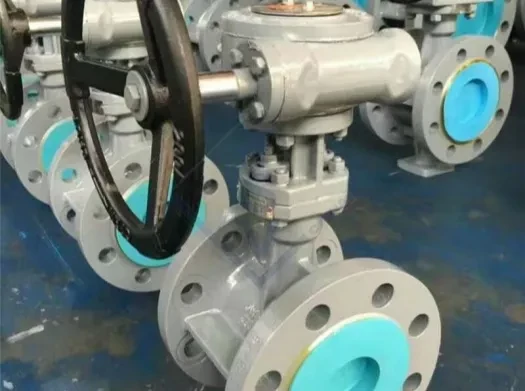
You're specifying valves for a pipeline, a processing plant, or a power generation facility. The media is under high pressure, the temperature swings from cryogenic to extreme heat, and the valve needs to operate reliably for years. A butterfly valves with cast steel construction is engineered for exactly these conditions — providing quarter‑turn flow control with compact design, tight sealing, and the durability to withstand demanding industrial environments. Cast steel butterfly valves are widely used across industries, from chemical processing to oil and gas, power generation, water treatment, and more. This guide covers what makes a cast steel butterfly valve a reliable choice for demanding applications — from construction and materials to sealing technology, actuation options, and key selection criteria.
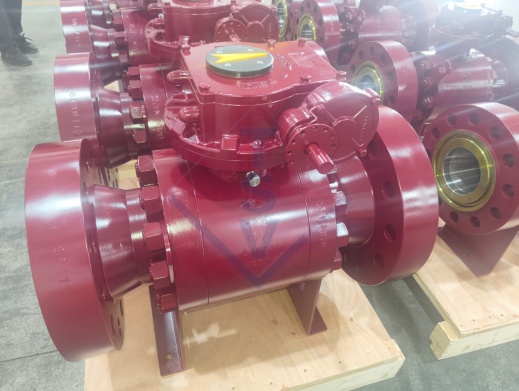
The valve body is made from cast steel, which provides high strength, durability, and resistance to high pressure and temperature conditions. This makes it suitable for demanding industrial applications where other materials would fail. Cast steel offers superior mechanical properties compared to cast iron — higher tensile strength, better impact resistance, and greater dimensional stability under thermal cycling. The valve body materials include carbon steel, alloy steel, stainless steel, and cast iron. The disc can be specified in carbon steel, alloy steel, or stainless steel.
The body is available in multiple material grades — carbon steel for general service, alloy steel for high‑temperature applications, and stainless steel for corrosive environments. The disc material can be matched to the body or specified separately to meet specific service conditions.
The stem is made from stainless or alloy steel for strength and corrosion resistance. The yoke is available in carbon steel, alloy steel, or stainless steel, providing the structural support needed for reliable operation.
Cast steel butterfly valves are available in sizes from 2 to 120 inches. This range covers everything from small‑bore instrumentation lines to large‑diameter main pipelines. Pressure classes range from Class 150 to Class 1500. The working temperature range spans -196°C to 550°C, covering cryogenic services through high‑temperature steam and process applications.
The size range covers most industrial applications — from 2‑inch lines for chemical injection to 120‑inch mains for water and wastewater. The flanged end connections conform to ASME B16.5, B16.47, and EN1092 standards, ensuring compatibility with standard piping systems.
With a temperature range from cryogenic (-196°C) to high‑temperature (550°C), the valve is suitable for liquid natural gas (LNG), steam, hot oil, and other extreme services. The Class 1500 pressure rating provides capacity for high‑pressure pipelines and process systems.
The butterfly valve operates on a simple principle: a disc rotates around a central axis to control the flow. When the disc is parallel to the flow, the valve is fully open; when it is perpendicular, the valve is closed. The quarter‑turn mechanism allows for fast opening and closing. This simplicity provides several advantages: quick operation, compact design, and lower installation and maintenance costs compared to other valve types.
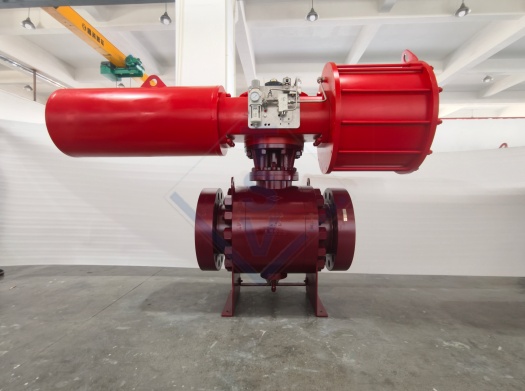
The valve can be operated manually, electrically, pneumatically, or hydraulically, depending on the application requirements. Manual operation is suitable for infrequent adjustments or small valves. Electric actuation provides remote control and automation capabilities. Pneumatic actuation offers fast response for process control applications.
Compared to gate or globe valves, the butterfly valve has a compact and lightweight design. This requires less space for installation and reduces structural support requirements — a significant advantage in crowded piping systems and skid‑mounted equipment.
The sealing system is critical to valve performance. The cast steel butterfly valve offers tight sealing with the help of elastomeric seats, ensuring minimal leakage and reliable performance. Metal seals are available for high‑temperature or abrasive services where elastomers would not survive. The disc can be made of metal or lined with materials like rubber or polymer to enhance sealing and corrosion resistance.
Elastomeric seats provide tight shut‑off with minimal leakage, making them suitable for water, wastewater, and general industrial applications. The elastomer material can be selected to match the fluid and temperature requirements.
For high‑temperature, abrasive, or corrosive services, metal‑seated designs provide the durability needed for reliable operation. The metal seal is typically made from stainless steel, offering resistance to wear and corrosion.
Cast steel butterfly valves are used across a wide range of industries and applications:
Chemical processing: Corrosive fluids and aggressive chemicals
Oil and gas: Pipeline isolation and control
Power generation: Cooling water, steam, and boiler feedwater
Water and wastewater: Large‑diameter mains and treatment plants
Pulp and paper: Process fluids and slurry services
Marine: Ballast systems and seawater cooling
The valve’s ability to handle high pressures, extreme temperatures, and aggressive media makes it suitable for these demanding applications.
| Specification | Range / Options | Why It Matters |
|---|---|---|
| Type | Butterfly valve | Quarter‑turn flow control |
| Sizes | 2 to 120 inches | Covers small to large‑bore applications |
| Pressure classes | 150, 300, 600, 900, 1500 | Matching system pressure requirements |
| End connections | Flanges, wafer, lug, weld | Installation flexibility |
| Temperature range | -196°C to 550°C | Cryogenic to high‑temperature service |
| Body materials | Carbon, alloy, stainless steel, cast iron | Environmental compatibility |
| Disc materials | Carbon, alloy, stainless steel | Service condition matching |
| Standards | API609, DIN EN593, ASME B16.5, EN1092, API598 | International compliance |
What is the maximum pressure and temperature rating?
The valve is available in pressure classes from Class 150 to Class 1500. The working temperature range is -196°C to 550°C. The specific rating depends on the material selection and trim configuration.
What end connections are available?
End connections include flanges (ASME B16.5, B16.47, EN1092), wafer, lug, and weld. Flanged connections are the most common for larger sizes and higher pressure ratings.
What materials are available for the body and disc?
The body is available in carbon steel, alloy steel, stainless steel, and cast iron. The disc is available in carbon steel, alloy steel, and stainless steel.
What actuation methods are supported?
The valve can be operated manually, electrically, pneumatically, or hydraulically. The choice depends on the automation level and control requirements.
What standards does the valve comply with?
The valve is designed and manufactured to API609 and DIN EN593 standards. Flange connections conform to ASME B16.5, B16.47, and EN1092. Inspection is performed to API598-2008 and EN12266-1.
Choosing a cast steel butterfly valve comes down to three factors: pressure rating (match your system), temperature range (match your process), and material compatibility (match your media). Contact TSV for a customized quote → —their team can help you select the right cast steel butterfly valve configuration for your specific flow control needs.
TSV manufactures a comprehensive range of industrial valves, including cast steel flanged butterfly valves. The cast steel butterfly valve is available in sizes from 2 to 120 inches, pressure classes from Class 150 to Class 1500, and temperature ranges from -196°C to 550°C. End connections include flanges, wafer, lug, and weld. Body materials include carbon steel, alloy steel, stainless steel, and cast iron. The valve complies with API609, DIN EN593, ASME B16.5, B16.47, EN1092, API598-2008, and EN12266-1 standards. Applications include chemical processing, oil and gas, power generation, water treatment, and pulp and paper. TSV provides comprehensive technical support and after‑sales service. Connect with TSV to discuss your size requirements, pressure ratings, and material specifications.
Related News


E-mail: info@tsv-valve.com

Telephone: +86-13695850057

Whatsapp: +86-13695850057

Address: TianSheng Industrial Park,Dong'ou Industrial Zone,Oubei Town,Wenzhou City,Zhejiang Province,China