- Email:info@tsv-valve.com


 Aug 27,2026
You're designing a piping system for a power plant or an oil refinery, and backflow prevention is non‑negotiable. A check valve that's bulky, slow to close, or prone to failure becomes a risk to the entire system. The forged dual‑plate check valve from TSV was engineered for critical applications: a compact wafer‑style body that fits snugly between pipe flanges, two spring‑loaded plates that close rapidly to prevent reverse flow, and a forged construction that delivers superior strength and reliability. This article walks through what makes this valve a practical choice for demanding pipeline applications—from its rapid closing action that minimizes water hammer to its low pressure drop that improves system efficiency.
Q: How does the dual‑plate design compare to a conventional swing check valve?
A: The dual‑plate check valve, also known as a butterfly check valve or wafer‑type dual‑plate check valve, is significantly smaller and lighter than a conventional swing check valve. Its compact wafer‑style body requires minimal space and reduces overall weight and support structure costs. The two spring‑loaded plates open and close in response to fluid flow, providing rapid response and low flow resistance.
Q: What makes the forged construction superior to cast alternatives?
A: Forging aligns the metal grain structure, resulting in higher strength, better fatigue resistance, and greater toughness. Forged components have a denser structure with fewer internal imperfections like porosity or shrinkage cavities. This makes the valve ideal for high‑pressure, high‑temperature, and critical applications where reliability is paramount.+In some cases when the required size is too small-for example, less than 2 inches-the casting cost becomes relatively higher In such cases, opting for forged material can also be a good alternative.
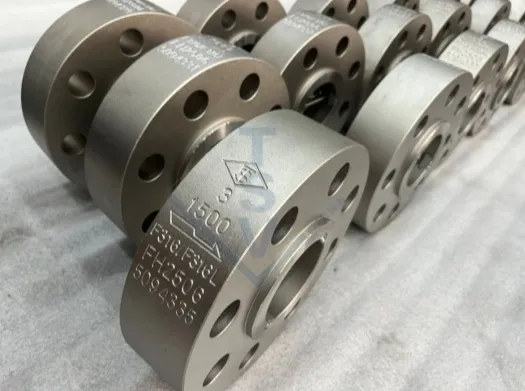
The forged dual‑plate check valve features a wafer‑style body that fits snugly between pipe flanges. This isn't a valve that takes up valuable pipeline real estate—it's designed for tight spaces.
The wafer‑style body requires minimal space between flanges, reducing overall weight and support structure costs. Compared to conventional swing check valves, the dual‑plate design is significantly smaller and lighter. For pipeline engineers designing compact systems or retrofitting existing lines, this space saving is a practical advantage.
The lightweight design reduces the need for heavy structural supports. In large‑scale installations with multiple valves, the cumulative weight savings can translate to lower support structure costs and simpler installation logistics.
The valve is built with forged body construction. This isn't a casting with hidden imperfections—it's a component engineered for the highest reliability.
Forging aligns the metal grain structure, resulting in higher strength, better fatigue resistance, and greater toughness. Forged components generally have a denser structure with fewer internal imperfections like porosity or shrinkage cavities. This makes the valve ideal for high‑pressure, high‑temperature, and critical applications where reliability is paramount—such as power generation and offshore platforms.
The valve is suitable for a wide range of pressures and temperatures. In power plants, oil and gas facilities, and chemical plants, the forged construction provides the durability needed for continuous operation in demanding conditions.
The dual‑plate check valve is designed to close quickly and maintain low flow resistance when open.
The plates are assisted by torsion springs, which ensure quick, positive closing before reverse flow can fully develop. This significantly reduces the risk of water hammer—the pressure surge that can damage pipes, fittings, and pumps. In systems where pump startup and shutdown are frequent, this rapid closing is a critical safety feature.
When fully open, the two plates position themselves parallel to the flow, offering minimal flow resistance and thus a very low pressure drop across the valve. Low pressure drop means less energy wasted overcoming valve resistance, reducing pumping costs and improving overall system efficiency.
The valve operates automatically. It opens with forward flow pressure and closes using spring force and reverse flow when the upstream pressure decreases.
The valve requires no external actuators, control systems, or power sources. It responds directly to the fluid flow—opening when flow is forward, closing when flow reverses or stops. This simplicity reduces installation complexity and eliminates potential failure points in the control system.
The valve's automatic operation provides continuous backflow protection. In critical applications like pump discharge lines, feedwater systems, and pipeline transport, this self‑actuating protection ensures that reverse flow is prevented even when operators aren't monitoring the system.
| Feature | Benefit |
|---|---|
| Wafer‑Style Design | Compact, lightweight, fits between flanges, reduces support costs |
| Forged Body Construction | Higher strength, fatigue resistance, fewer imperfections |
| Dual Spring‑Loaded Plates | Rapid closing, minimizes water hammer, protects system |
| Low Pressure Drop | Parallel flow when open, reduces pumping costs |
| Automatic Operation | Self‑actuating, no external power or control required |
| Wide Temperature/Pressure Range | Suitable for critical high‑pressure, high‑temperature applications |
The forged dual‑plate check valve serves multiple industries where reliable backflow prevention is essential:
The valve is used in main steam lines, feedwater systems, and cooling water systems. In power generation, the forged construction and rapid closing are critical for protecting turbines and pumps from backflow damage.
The valve is used in pipeline transport, offshore production facilities, and refinery processes. The high strength and reliability of forged construction are essential in these demanding applications where failure is not an option.
The valve handles various process fluids where backflow prevention is critical. The corrosion resistance and durability of the forged materials ensure reliable performance with aggressive process fluids.
The valve is used in seawater cooling, firefighting, and ballast systems. The compact, lightweight design is particularly valuable in marine applications where space and weight are at a premium.
The valve is used in pump discharge lines. The automatic operation and low pressure drop make it suitable for continuous pumping applications where efficiency and reliability are priorities.
Q: What is a dual‑plate check valve?
A: A dual‑plate check valve, also known as a butterfly check valve or wafer‑type dual‑plate check valve, is a compact, lightweight, and highly efficient valve designed to prevent reverse flow in a piping system. It uses two spring‑loaded, hinged plates that open and close in response to fluid flow.
Q: Why is forged construction important for check valves?
A: Forging aligns the metal grain structure, resulting in higher strength, better fatigue resistance, and greater toughness. Forged components have a denser structure with fewer internal imperfections, making them ideal for high‑pressure, high‑temperature, and critical applications.
Q: How does the valve prevent water hammer?
A: The plates are assisted by torsion springs, which ensure quick, positive closing before reverse flow can fully develop. This significantly reduces the risk of water hammer, protecting the entire piping system.
Q: Is the valve suitable for high‑pressure applications?
A: Yes. The valve is suitable for a wide range of pressures and temperatures and is ideal for high‑pressure applications in power generation, oil and gas, and chemical processing.
Q: What is the advantage of the wafer‑style design?
A: The wafer‑style body fits snugly between pipe flanges, requiring minimal space and reducing overall weight and support structure costs. It is significantly smaller and lighter than conventional swing check valves.
A check valve that combines compact design, forged strength, rapid closing, and low pressure drop is the foundation of any reliable backflow prevention system. The forged dual‑plate check valve from TSV delivers a wafer‑style body that saves space and reduces support costs, forged construction for high‑pressure and high‑temperature reliability, spring‑assisted closing that minimizes water hammer, and low pressure drop for energy efficiency—all in a self‑actuating valve built for critical pipeline applications.
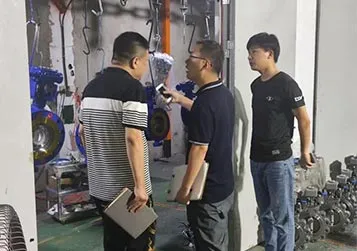
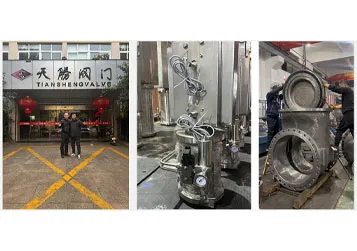
Whether you're designing a power plant feedwater system, an oil and gas pipeline, or a chemical processing facility, the forged dual‑plate check valve offers the performance and reliability that pipeline engineers require. TSV's third‑party expert inspections and quality control processes ensure that every valve meets the demands of critical applications.
Contact TSV for a quote or technical consultation → their team can help you select the right valve size, material, and pressure rating for your specific pipeline requirements. Get a check valve that prevents backflow without compromising system efficiency.
Related News



E-mail: info@tsv-valve.com

Telephone: +86-13695850057

Whatsapp: +86-13695850057

Address: TianSheng Industrial Park,Dong'ou Industrial Zone,Oubei Town,Wenzhou City,Zhejiang Province,China